
Parks and Green Space in Playa Vista: How Open Space Shapes Daily Living
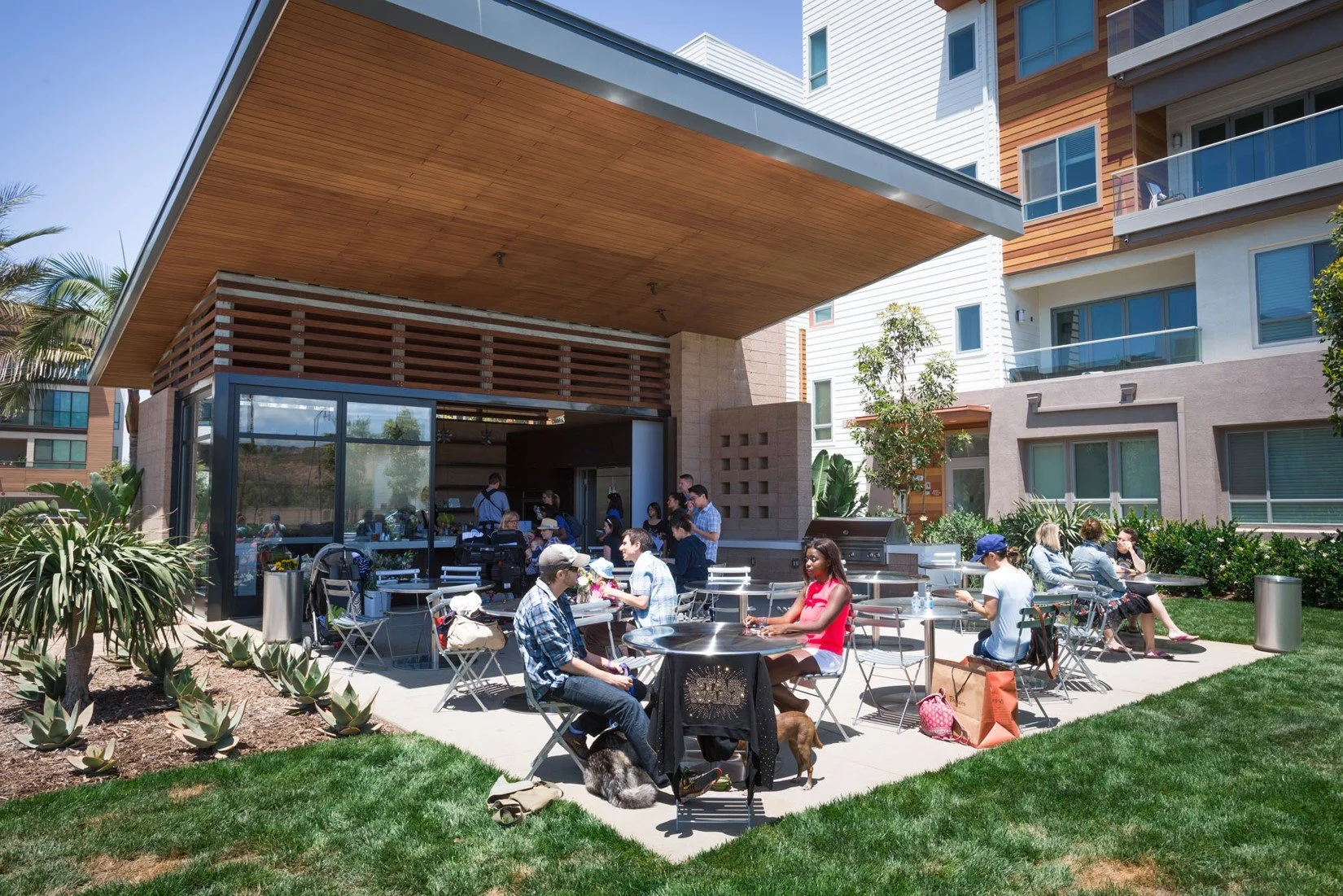
Access to green space is one of the most significant factors influencing neighborhood livability. In dense urban environments like Los Angeles, the availability, distribution, and usability of parks can dramatically affect daily routines, health outcomes, and long term resident satisfaction. Playa Vista stands out because green space is not treated as an accessory but as a foundational element of the community.
Unlike neighborhoods where parks are centralized or limited to a single large recreational area, Playa Vista incorporates multiple parks and open spaces throughout the neighborhood. This decentralized approach ensures that nearly every resident is within walking distance of a park or outdoor area. From an urban planning perspective, this improves accessibility and encourages consistent use rather than occasional visits.
Parks in Playa Vista serve multiple functions. They support physical activity, social interaction, environmental sustainability, and neighborhood connectivity. Walking paths connect residential buildings to retail corridors, schools, and amenities, making parks part of the transportation network rather than isolated destinations.
The design of these spaces prioritizes usability. Paths are wide and well maintained. Seating areas are thoughtfully placed. Lighting supports evening use. Landscaping balances aesthetic appeal with practical shade and visibility. These details influence how often and how comfortably residents use outdoor areas.
From a health standpoint, proximity to green space is associated with increased physical activity and improved mental well being. In Playa Vista, residents regularly use parks for walking, running, yoga, and informal exercise. Because these spaces are integrated into daily routes, physical activity becomes part of routine life rather than a scheduled activity.
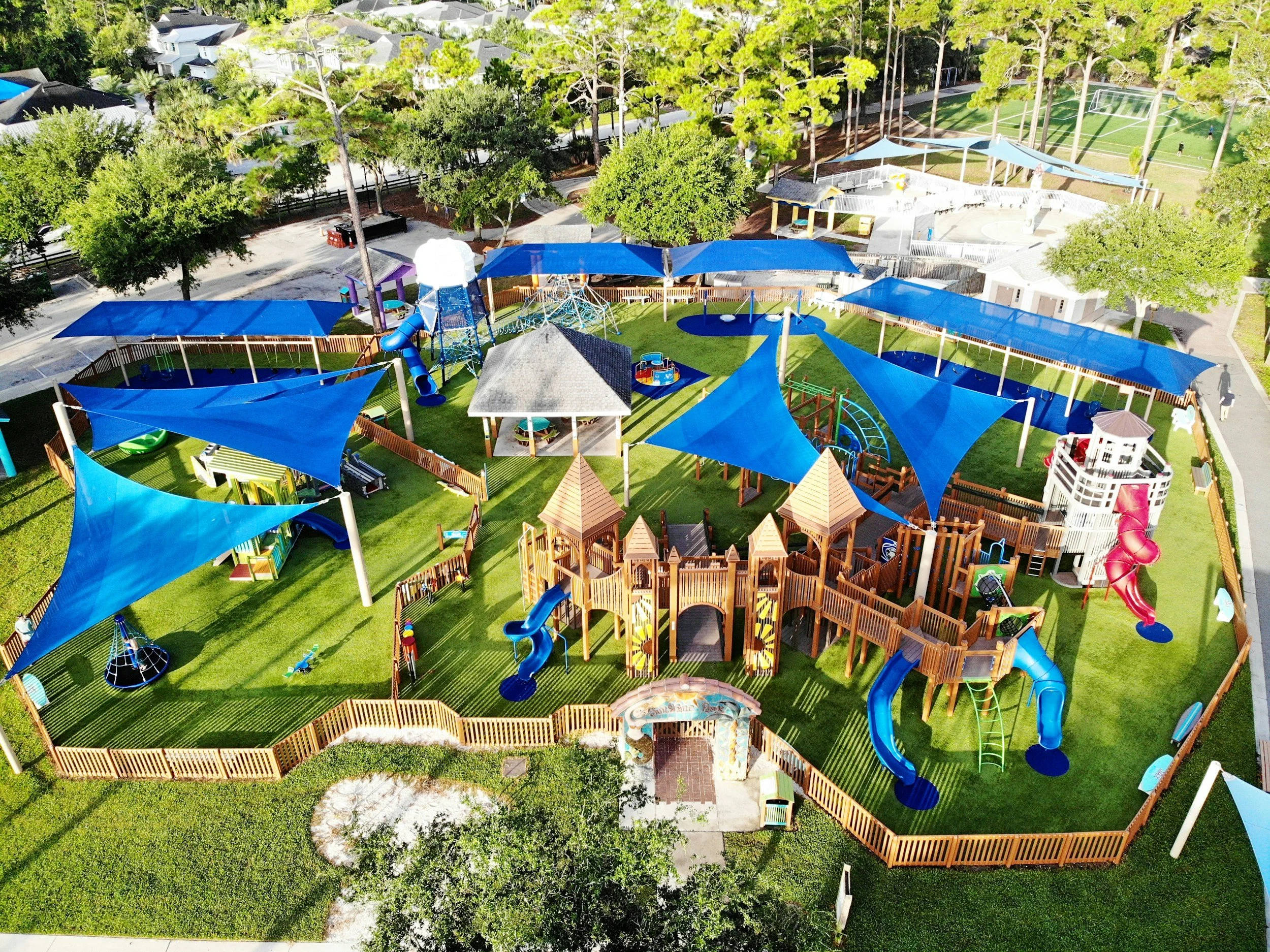
Families benefit from this design as well. Playgrounds are distributed across the neighborhood, allowing children to access outdoor play without long travel times. Parents can supervise easily due to clear sightlines and open layouts. This supports frequent outdoor play and reduces reliance on indoor recreation.
Community events often take place in these parks, reinforcing their role as gathering spaces. Farmers markets, seasonal events, and fitness classes use open areas that are already familiar to residents. This familiarity increases participation and strengthens community engagement.
Environmental sustainability is another important consideration. Green spaces contribute to improved air quality, stormwater management, and temperature regulation. Trees and landscaping reduce heat retention, which is particularly important in warmer months. Playa Vista green space planning aligns with broader sustainability goals and supports long term environmental resilience.
The parks also contribute to neighborhood safety. Regular foot traffic increases visibility and natural surveillance. Well lit paths and open sightlines reduce isolated areas. These factors support a safer environment for residents of all ages.
Another benefit of distributed green space is flexibility. Residents can choose spaces that suit their needs, whether that means quiet walking paths, active play areas, or open lawns for informal gatherings. This variety supports a wide range of lifestyles within the same neighborhood.
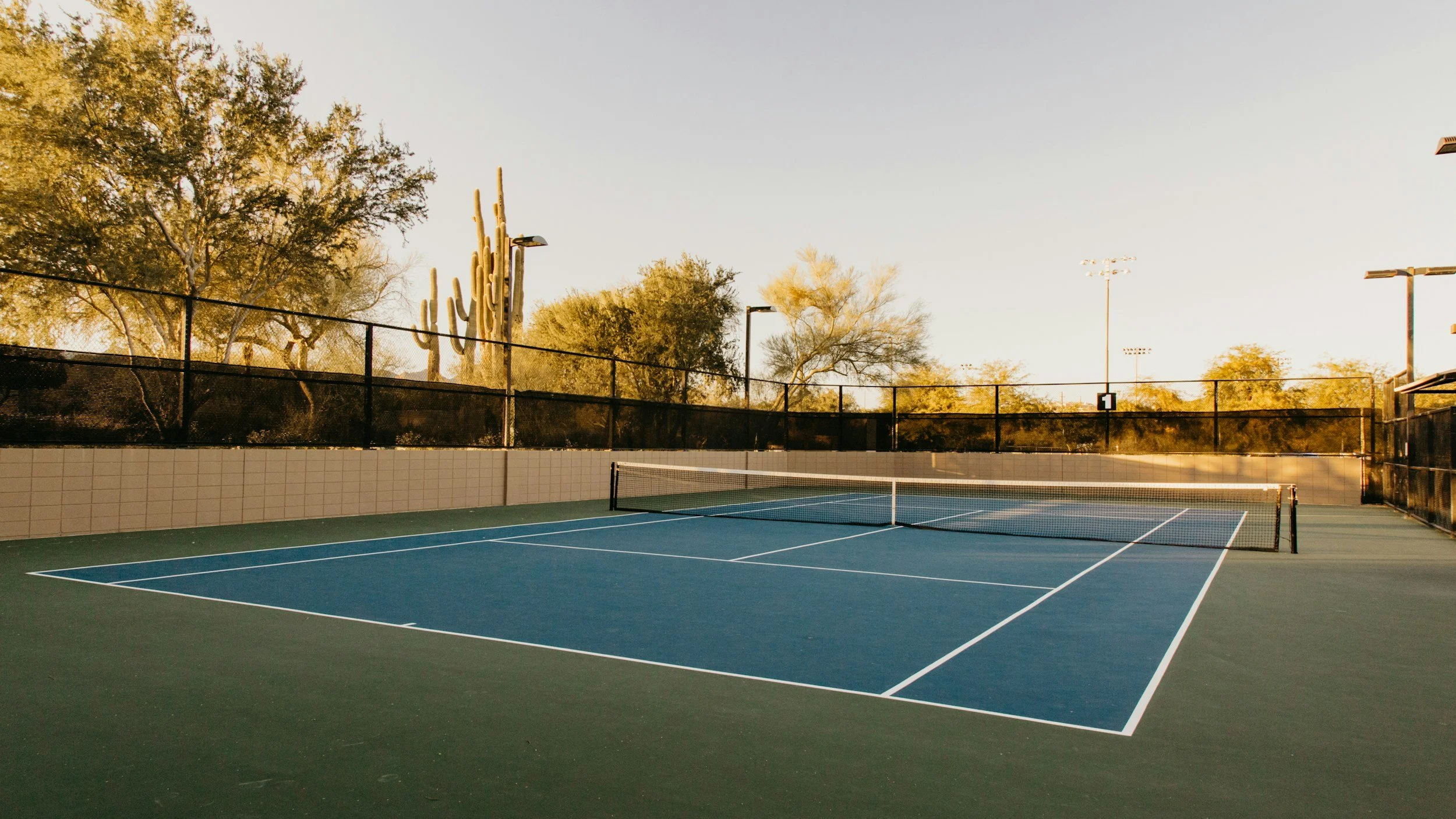
From a planning perspective, green space adds long term value to a community. Neighborhoods with integrated parks tend to experience higher resident retention and stronger demand over time. While prices and transactions fluctuate, access to quality outdoor space remains a consistent priority.
Maintenance also plays a critical role. Playa Vista parks are regularly maintained, ensuring usability year round. Reliable upkeep supports continued use and reinforces the perception of quality infrastructure.
In evaluating Playa Vista, it becomes clear that parks are not an afterthought. They are essential components of the neighborhood system. They influence how residents move, exercise, socialize, and experience their surroundings on a daily basis.
As urban neighborhoods continue to evolve, Playa Vista demonstrates how intentional green space planning can support both immediate quality of life and long term neighborhood stability.
