
Why Families Choose Playa Vista: Overview of Community Design and Resources

When families evaluate neighborhoods, their priorities often differ from those of individual buyers or renters. Factors such as school access, safety, outdoor space, and long term functionality take precedence. Playa Vista consistently ranks highly among Westside neighborhoods for families because it addresses these priorities through intentional design and community planning.
One of the primary considerations for families is access to education. Playa Vista offers proximity to both public and private school options, as well as early childhood programs and enrichment activities. Walkable access to schools and after school programs reduces daily transportation demands and supports routine consistency.
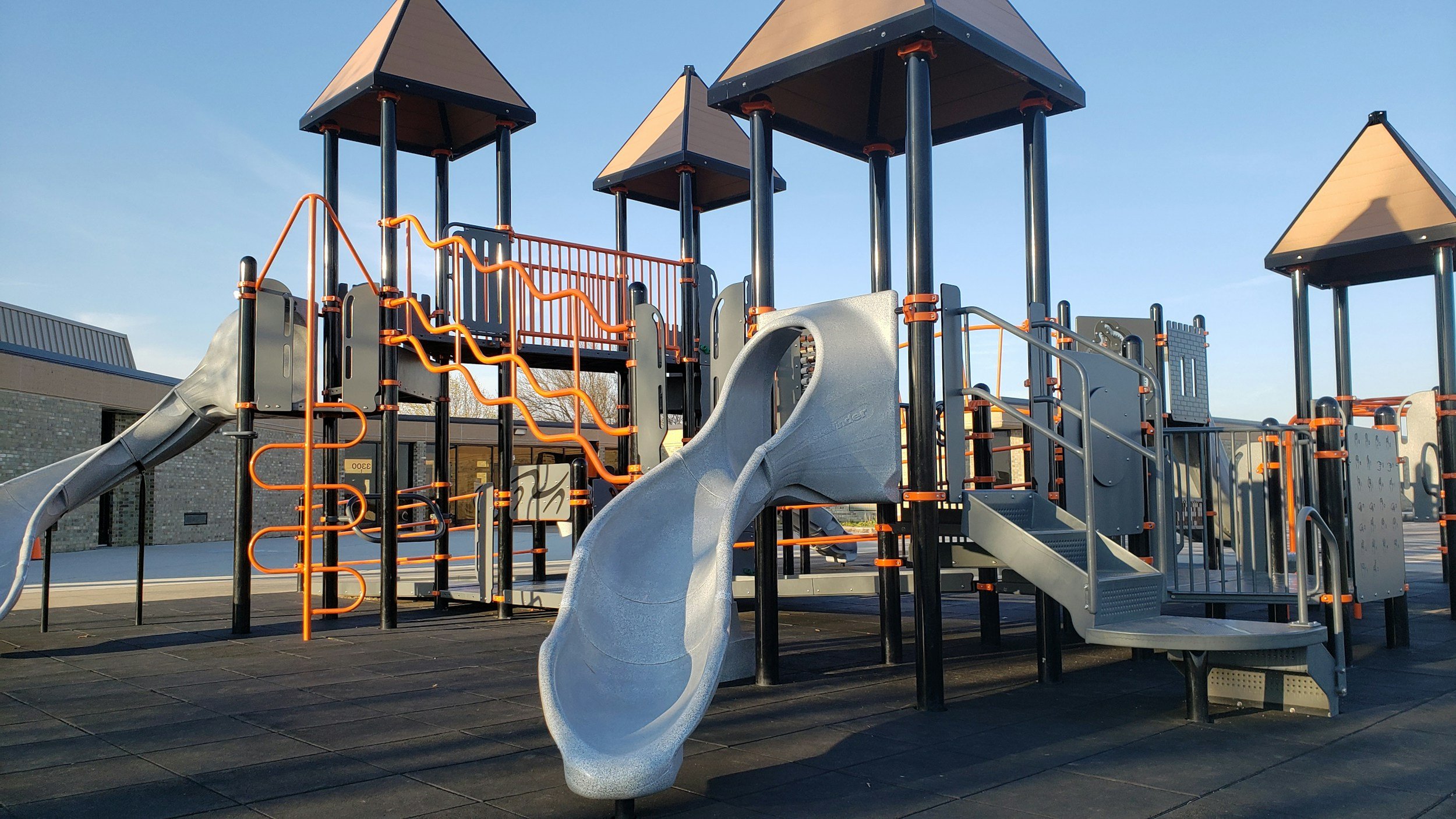
Parks and recreational spaces are another key factor. Playa Vista includes multiple parks integrated throughout the neighborhood rather than centralized in one location. This distributed approach allows families to access outdoor space without long travel times. Parks support structured activities, informal play, and community gatherings.
From a safety perspective, Playa Vista incorporates traffic calming measures and pedestrian focused street design. Lower vehicle speeds, clear crosswalks, and protected walking paths contribute to a safer environment for children. Visibility and consistent foot traffic also enhance overall security.
Housing design in Playa Vista reflects family needs. Many residences feature flexible layouts that accommodate changing household sizes. Proximity to parks and schools often reduces the need for larger interior space, as outdoor and community areas supplement private living areas.
Another important consideration is community stability. Playa Vista attracts residents who plan to stay long term. This creates continuity within schools, activities, and neighborhood organizations. Stability supports stronger social networks and more consistent community resources.
Families also benefit from access to health and wellness amenities. Walking paths, fitness centers, and outdoor programs support physical activity for all ages. This encourages healthy routines that are easy to maintain within daily schedules.
Transportation access remains important even in a walkable neighborhood. Playa Vista offers convenient access to major employment centers, medical facilities, and regional destinations. This balance allows families to remain connected to the broader city while enjoying neighborhood level convenience.
Community programming further enhances family appeal. Events such as farmers markets, seasonal activities, and recreational classes provide structured opportunities for engagement. These programs are typically designed to be accessible and inclusive.
Another factor families consider is adaptability over time. Playa Vista supports families through multiple life stages. Early childhood resources transition naturally into school age programs and teen activities. This reduces the need to relocate as family needs evolve.
Environmental considerations also play a role. Green space, reduced vehicle use, and newer construction standards contribute to improved air quality and sustainability. These factors are increasingly important to families planning for long term residency.

From an educational standpoint, Playa Vista demonstrates how planning decisions influence family suitability. Integration of housing, schools, parks, and services creates efficiency and reduces daily stressors. This structure supports both parents and children in meaningful ways.
Families relocating from other cities or neighborhoods often cite predictability and organization as key advantages. Playa Vista offers a clear framework for daily life. This predictability supports routines, planning, and long term decision making.
Ultimately, Playa Vista appeals to families not because of any single feature but because of how multiple systems work together. Education, safety, recreation, and accessibility are integrated rather than treated as separate considerations.
As family needs continue to evolve, neighborhoods that provide flexibility, stability, and functional design will remain in demand. Playa Vista represents a model of how community planning can support family life effectively and sustainably.
