
Indoor Outdoor Living in Playa Vista: Architecture Design & Daily Function
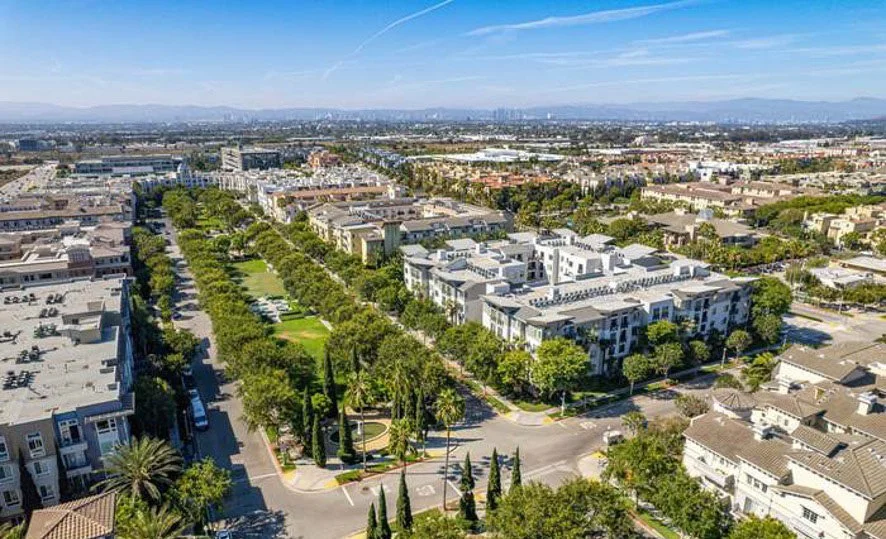
Indoor outdoor living is often discussed as a lifestyle preference, but in communities like Playa Vista, it is better understood as a design strategy. Architecture, building orientation, and neighborhood layout all contribute to how residents use both interior and exterior spaces throughout the year.
Playa Vista was developed during a period when residential design increasingly emphasized flexibility and connection to the outdoors. As a result, many homes feature balconies, patios, courtyards, and large windows. These elements are not decorative. They are functional extensions of living space.
From an architectural standpoint, indoor outdoor living increases usable square footage without increasing interior size. Balconies and outdoor areas serve as dining spaces, work areas, and relaxation zones. This is particularly valuable in urban settings where efficiency matters.
Neighborhood layout supports this lifestyle by minimizing noise and maximizing privacy. Traffic patterns are designed to reduce through traffic, allowing outdoor spaces to be used comfortably. Landscaping and building placement create buffers between residential areas and commercial zones.

Climate also plays a role. Playa Vista benefits from coastal influence that moderates temperatures. This allows outdoor spaces to be used year round, making them practical rather than seasonal. Design choices such as shading, overhangs, and airflow further enhance usability.
Indoor outdoor living also affects daily routines. Residents frequently move between interior and exterior spaces throughout the day. Morning coffee on a balcony, midday work sessions near open windows, and evening meals outdoors are common patterns. These routines influence how residents perceive and use their homes.
From a wellness perspective, access to outdoor space supports natural light exposure and ventilation. These factors are linked to improved productivity and comfort. In Playa Vista, the built environment encourages these benefits through design rather than requiring lifestyle adjustments.
Community design reinforces this connection. Shared courtyards, rooftop spaces, and open pathways extend the indoor outdoor concept beyond individual homes. These shared spaces function as collective living areas, supporting interaction while maintaining privacy.
Families benefit from this design as well. Outdoor areas provide safe spaces for children to play while remaining close to home. Parents can supervise easily, and children gain independence within a controlled environment.
Maintenance and durability are important considerations. Outdoor spaces in Playa Vista are designed with materials that withstand coastal conditions. This supports long term usability and reduces upkeep challenges.
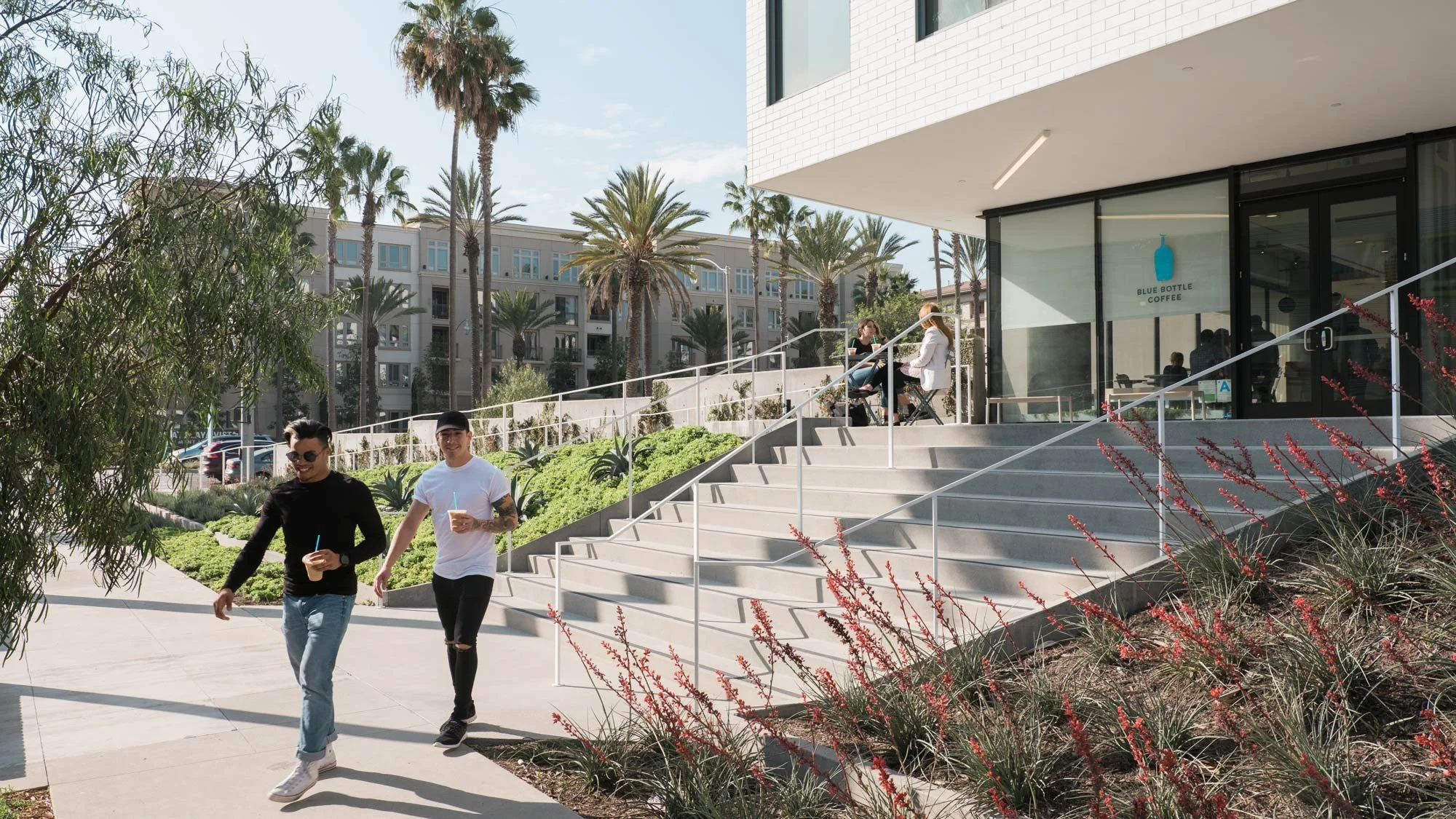
Indoor outdoor living also influences how residents entertain. Homes designed with seamless transitions between interior and exterior spaces accommodate gatherings without requiring large interiors. This flexibility is increasingly important as people prioritize adaptable living environments.
From a broader planning perspective, indoor outdoor design supports sustainability. Natural ventilation reduces reliance on climate control systems. Access to daylight reduces energy use. These efficiencies align with long term environmental goals.
Playa Vista demonstrates that indoor outdoor living is most effective when supported at both the building and neighborhood levels. Architecture alone is not enough. Streets, parks, and shared spaces must reinforce the same principles.
As housing needs continue to evolve, communities that prioritize adaptable design will remain relevant. Playa Vista offers a practical example of how indoor outdoor living can be integrated into daily life through thoughtful planning and architecture.
