
What Makes Playa Vista Different From Other Westside Neighborhoods

The Resort, Playa Vista resident exclusive gym
The Westside of Los Angeles includes a wide range of neighborhoods, each offering distinct characteristics related to density, access, and lifestyle. Playa Vista stands apart not because of a single feature, but due to how multiple planning elements are integrated into a cohesive system. Understanding these differences requires a comparative approach focused on structure rather than perception.
One of the most significant distinctions is master planning. Unlike many Westside neighborhoods that developed incrementally over decades, Playa Vista was designed with a comprehensive long term plan. This allowed infrastructure, housing, retail, and green space to be coordinated from the outset.
Master planning affects how residents experience daily life. Streets are designed to prioritize pedestrians. Commercial areas are scaled to neighborhood use. Parks are distributed rather than centralized. This contrasts with neighborhoods where amenities evolved unevenly and often require driving between destinations.
Walkability is another differentiator. While some Westside neighborhoods offer walkable pockets, Playa Vista provides consistent pedestrian access throughout the community. Continuous sidewalks, traffic calming measures, and integrated paths support walking as a primary mode of movement rather than a secondary option.
Green space availability also varies significantly across the Westside. Playa Vista includes multiple parks and open areas embedded within residential zones. In contrast, other neighborhoods may rely on a limited number of large parks or private outdoor space. Distributed green space increases access and encourages regular use.
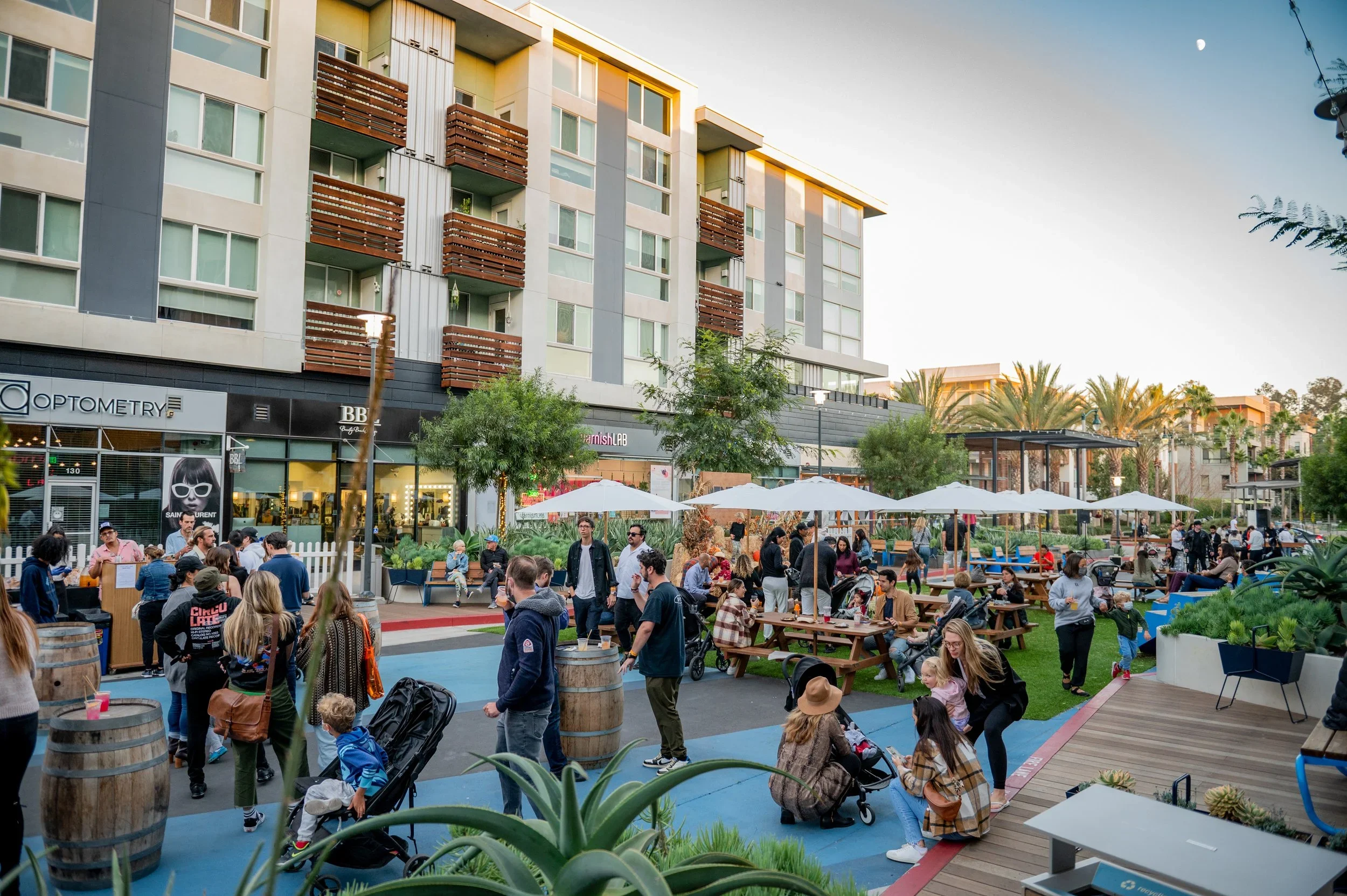
RUNWAY, Playa Vista shopping and restaurants
Residential density is managed differently as well. Playa Vista balances density with open space, allowing for efficient land use without overcrowding. Building heights and spacing are coordinated to preserve light, airflow, and privacy. This differs from areas where density increased without corresponding infrastructure updates.
Retail and dining patterns further highlight differences. Playa Vista retail is primarily neighborhood serving. This reduces congestion and aligns business offerings with resident needs. Other Westside areas may attract regional traffic that impacts parking availability and noise levels.
Transportation access is structured to minimize internal disruption. Playa Vista provides connectivity to major routes while limiting through traffic within residential areas. This approach supports safety and walkability. In contrast, neighborhoods without traffic management often experience cut through driving.
Community programming is also influenced by planning. Playa Vista supports organized events that utilize existing public spaces. These programs are easier to implement when open areas are designed for flexibility. Neighborhoods lacking such infrastructure face limitations in hosting community activities.
From an infrastructure standpoint, Playa Vista benefits from newer systems and consistent maintenance standards. This supports reliability in utilities, lighting, and public spaces. Older neighborhoods may face challenges related to aging infrastructure and inconsistent upgrades.
Housing stock composition is another point of difference. Playa Vista offers a range of housing types designed within the same planning framework. This creates visual consistency and predictable quality. Other neighborhoods may include a wider mix of building eras and conditions.
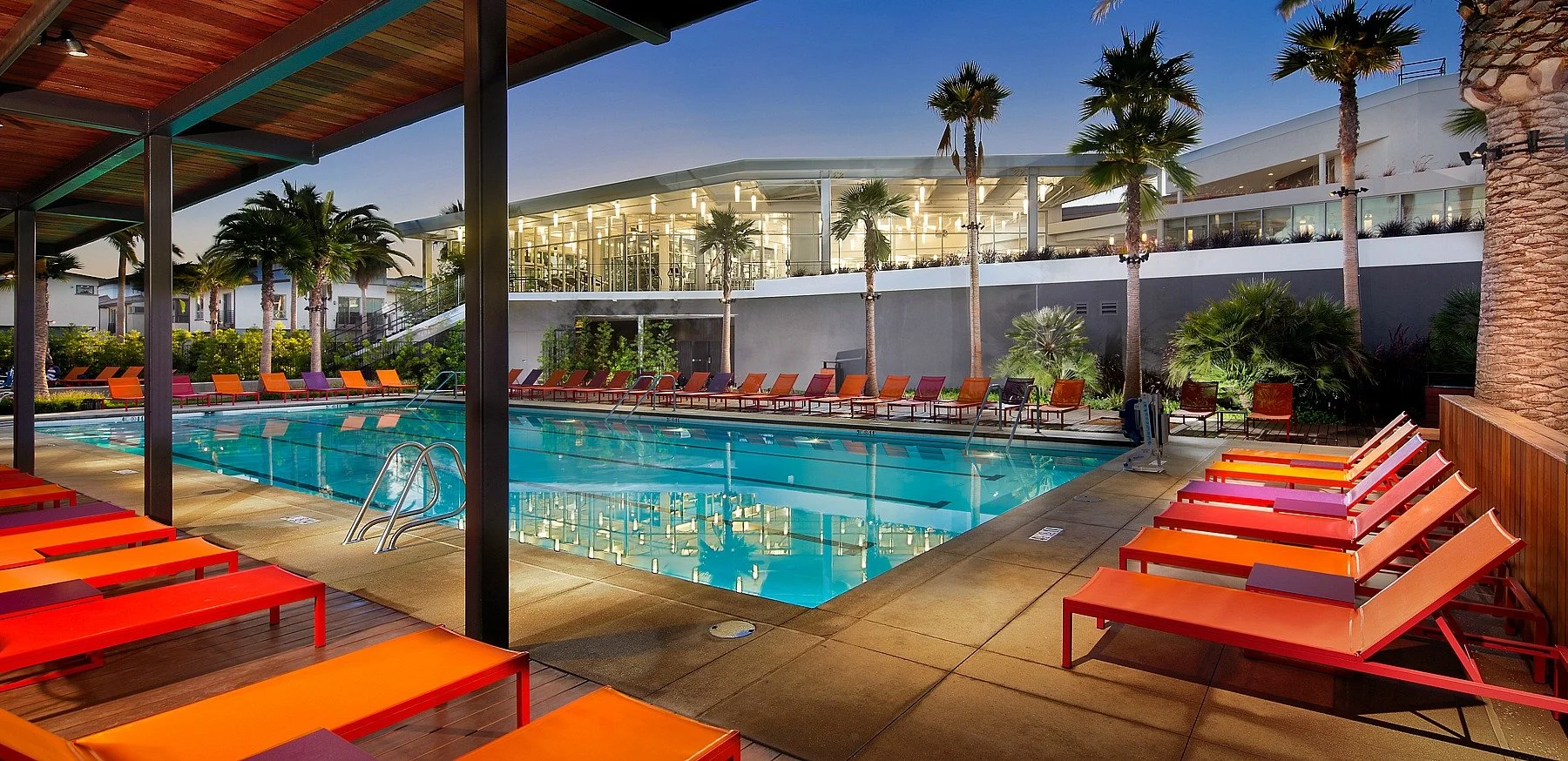
The Resort, Playa Vista resident exclusive pool
Environmental considerations also play a role. Playa Vista planning incorporates sustainability measures related to landscaping, energy use, and water management. These elements contribute to long term efficiency and align with evolving regulatory standards.
When comparing Playa Vista to other Westside neighborhoods, it becomes clear that differentiation is rooted in coordination. Design choices reinforce one another rather than operating independently. This cohesion supports functionality and long term appeal.
For residents evaluating neighborhood options, understanding these structural differences provides clarity beyond surface level impressions. Playa Vista offers an example of how planning decisions shape daily experience and future adaptability.
