
Playa Vista HOA Fees: What They Include, Why They Matter, and How They Compare
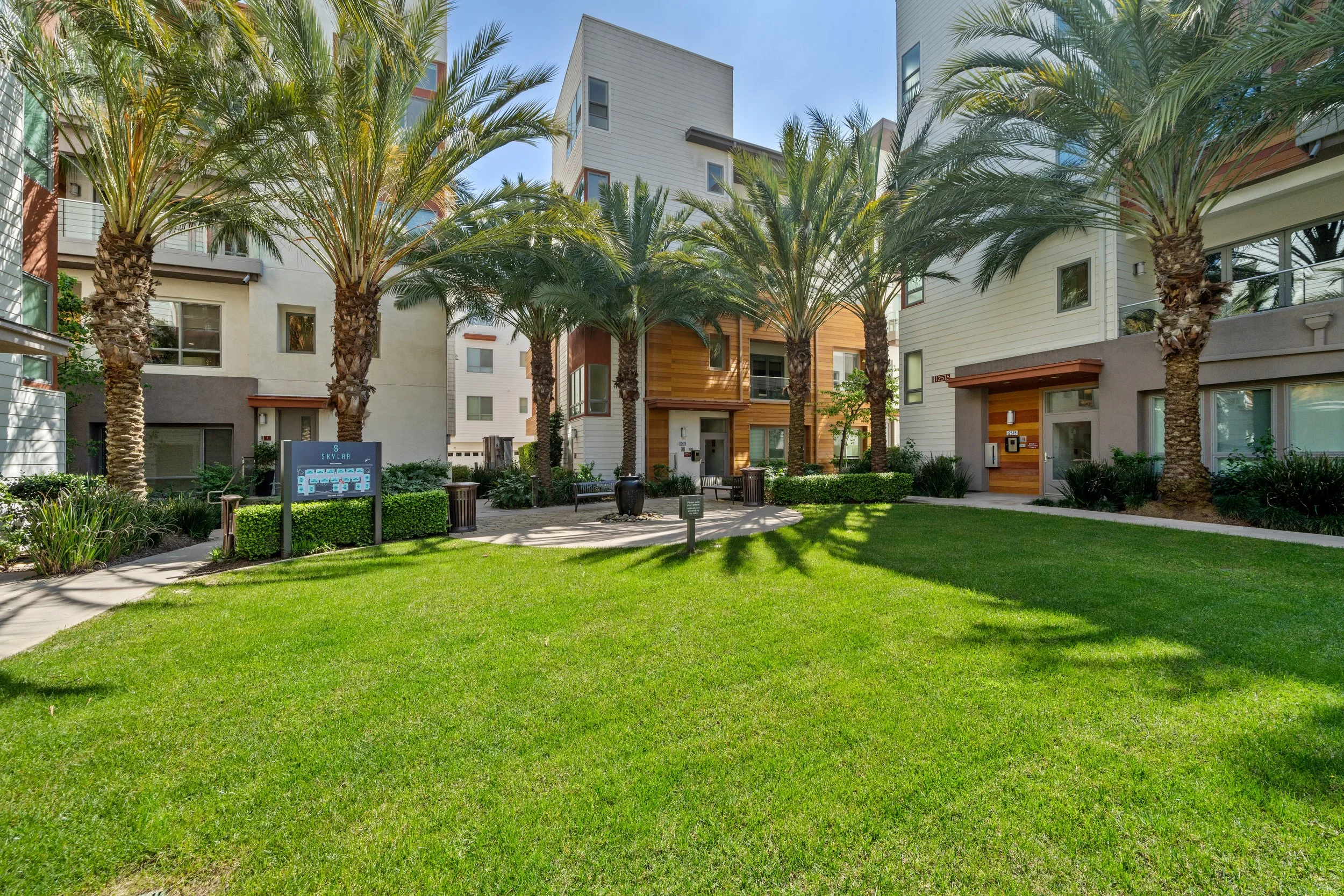
Playa Vista’s HOA structure is one of the most Googled topics related to the community — and for good reason. The neighborhood’s monthly homeowners association fees often spark questions among both buyers and renters who are unfamiliar with master planned communities. While HOA fees in Playa Vista may appear higher compared to other Los Angeles neighborhoods, they include an extensive range of amenities, services, and infrastructure that transform Playa Vista into one of the most well maintained and lifestyle driven communities in the city.
This blog unpacks everything you need to know about Playa Vista HOA fees, including what they cover, how they are structured, why they vary by building, and whether they are worth the long-term investment.
Understanding the Multi-Layer HOA Structure
Playa Vista’s HOA system includes multiple associations layered together. Every resident pays:
The Playa Vista Master HOA
The Building/Community HOA
Because Playa Vista is a master-planned development, each layer funds different aspects of the community. This structure ensures consistency, high maintenance standards, and long-term community planning. Although it is more complex than a traditional HOA, each level plays a critical role.
What the Playa Vista Master HOA Covers
The master HOA oversees neighborhood-wide lifestyle amenities and infrastructure. These include:
Access to The Resort, CenterPointe Club, pools, and fitness centers
Community maintenance and landscaping
Security patrols
Parks, walking paths, and common areas
Community programming and events
Shuttle services within Playa Vista
These benefits alone elevate the neighborhood far beyond typical Los Angeles communities.

Phase I vs Phase II HOA Differences
Playa Vista is divided into two areas, each with its own infrastructure and financial obligations.
Phase I
Older developments built between early 2000s and early 2010s
Subject to Mello-Roos tax assessments
HOA fees slightly lower than Phase II
Includes buildings like Carabela, Concerto, Villa Savona, Tapestry, and others
Phase II
Newer developments built between 2014 and 2018
No Mello-Roos fees
Higher HOA fees because the cost of new construction improvements is incorporated
Includes buildings like Skylar, Mason, Cleo, Marlowe, and Camden
Understanding these differences helps buyers compare long-term financial commitments.
What Building-Level HOAs Cover
Each building or community has its own HOA that covers services specific to the structure. These often include:
Building insurance
Janitorial staff
Maintenance reserves
Elevators
Lobbies, hallways, and parking structures
Trash and recycling
Architectural guidelines
Exterior repairs
This layer is the most variable because each building has unique amenities, square footage, and maintenance needs.
Why Some Playa Vista HOA Fees Are Higher Than Others
HOA fees can vary significantly depending on the building’s age, size, and amenities. Buildings with:
Concierge or security
Large gyms
Clubhouses and lounges
Pools and spas
High-end architecture
tend to have higher fees. Smaller complexes with fewer amenities usually have lower monthly dues.
What’s Included That You Won’t Find in Other Neighborhoods
The value of Playa Vista’s HOA fees becomes clear when looking at what is included compared to traditional LA neighborhoods. Residents benefit from:
High-end amenity centers
Strong security presence
Pristine landscaping and maintenance
A pedestrian friendly environment
Community events and programming
Neighborhood shuttle services
These benefits help justify the cost — especially for buyers who prioritize lifestyle, convenience, and community.

Are Playa Vista HOA Fees Worth It?
For most homeowners, the answer is yes. The HOA ensures that Playa Vista remains clean, safe, vibrant, and well maintained. Unlike many LA neighborhoods where maintenance varies block by block, Playa Vista’s HOA structure guarantees consistency across all homes and public spaces.
For families, professionals, and those who value walkability and community engagement, HOA fees provide access to amenities that would cost significantly more if purchased elsewhere.
Final Thoughts
HOA fees in Playa Vista are an investment in lifestyle, convenience, and long-term property value. Understanding how they work helps buyers and renters make informed decisions that reflect their priorities and budget. For those who want a neighborhood that feels cohesive, modern, and community driven, the HOA fees are a worthwhile part of the Playa Vista experience.
